





If you’re a power sewer, you may turn to a serger to handle a lot of your seam finishing, but there are many available solutions using just your trusty sewing machine. That’s what we have collected for you today.
Since we started with a quote about finishing, we’ll end that way as well. With words of wisdom from Dave Barry:
“My therapist told me the way to achieve true inner peace is to finish what I start. So far today, I have finished two bags of M&Ms and a chocolate cake. I feel better already!”
We have four tutorials covering a wide range of finishing options. You can use the handy links below to click through to each and every one.
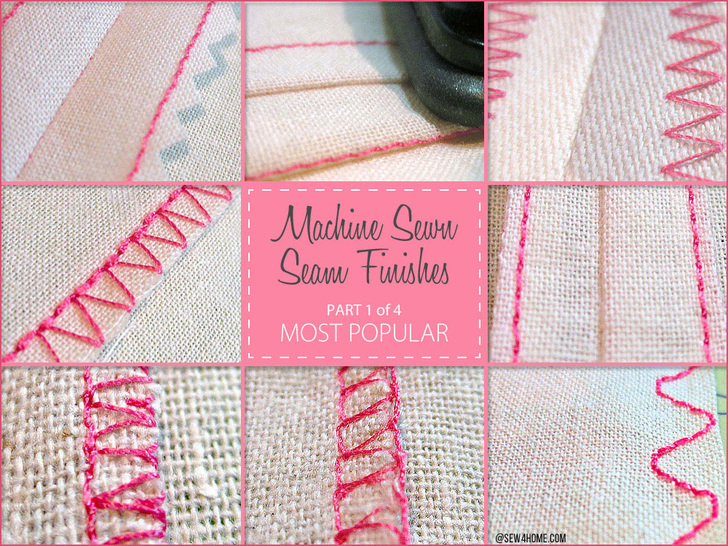
Part 1 of 4: Most Popular
Covers straight stitch options, zig zag, and overcasting, plus reviews some of the specialty presser feet that can be used.
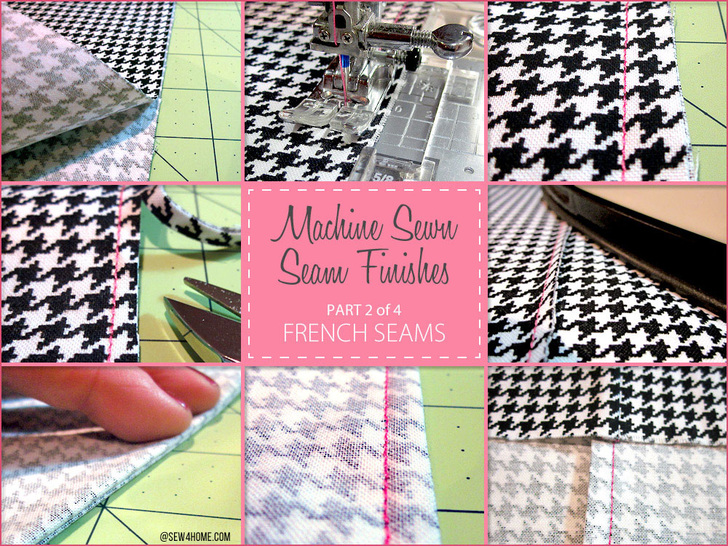
Part 2 of 4: French Seams
A pretty option and ideal for sheer and/or delicate fabrics… and so much more.
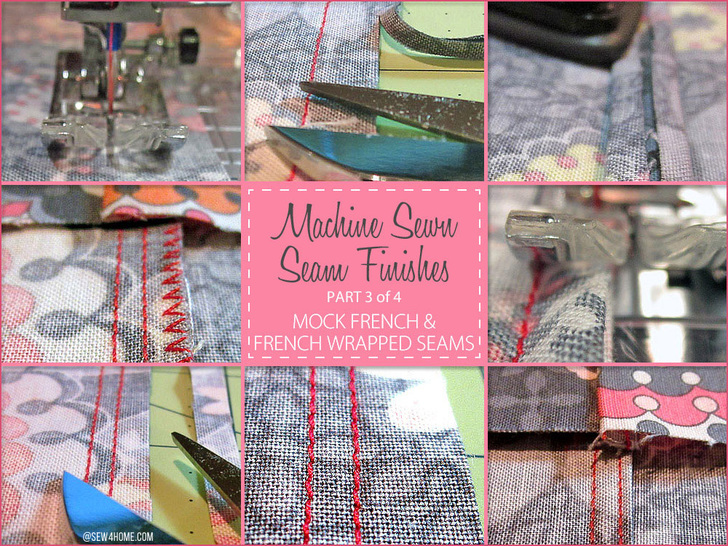
Part 3 of 4: Mock French & French Wrapped
These come to us by way of fine couture and heirloom sewing, but have a variety of flexible uses.
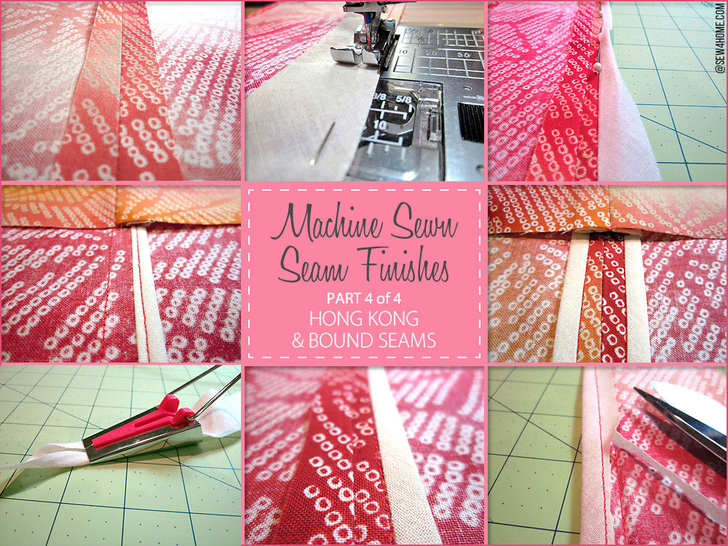
Part 4 of 4: Hong Kong & Bound Seams
Learn two advanced techniques for wrapping a seam allowance’s raw edges with a bias cut strip of lightweight fabric.